Jeon Sang Jun
전상준 Jeon sangjun
Course
Movement Assessment-Based Recovering Method for the Shoulder, Hip & Ankle
움직임 평가 기반 어깨·고관절·발목 리커버링 메소드
ASSESS × IDENTIFY × RECOVERING × RE-TEST
움직임 평가 기반 어깨·고관절·발목 리커버링 메소드
ASSESS × IDENTIFY × RECOVERING × RE-TEST
움직임의 질은 곧 퍼포먼스와 건강의 시작입니다.
본 강의는 어깨, 고관절, 발목의 관절 기능을 체계적으로 평가하고, 움직임 제한의 원인을 찾아 다양한 리커버링 메소드를 적용하여 기능을 회복시키는 실전형 교육 프로그램입니다.
단순한 스트레칭이나 폼롤링을 넘어, 평가를 통해 개인의 움직임 패턴을 이해하고 효과적인 리커버링 전략을 설계하여 운동 지도 현장에서 바로 활용할 수 있는 실질적인 솔루션을 제공합니다.
● MOVEMENT ASSESSMENT
어깨·고관절·발목의 기본 움직임을 평가하여 관절가동범위, 움직임의 질, 좌우 차이를 확인합니다.
/ 가동범위(ROM) / 움직임 패턴 / 기능적 테스트 / 좌우 비교
● IDENTIFY THE LIMITATION
평가 결과를 바탕으로 움직임 제한의 원인을 분석하고 근육의 긴장도, 관절 가동성, 움직임 보상 패턴을 파악합니다.
/ 움직임 제한 요인 분석 / 근육·근막 긴장 / 관절 가동성 저하 / 보상 움직임
● RECOVERING METHOD
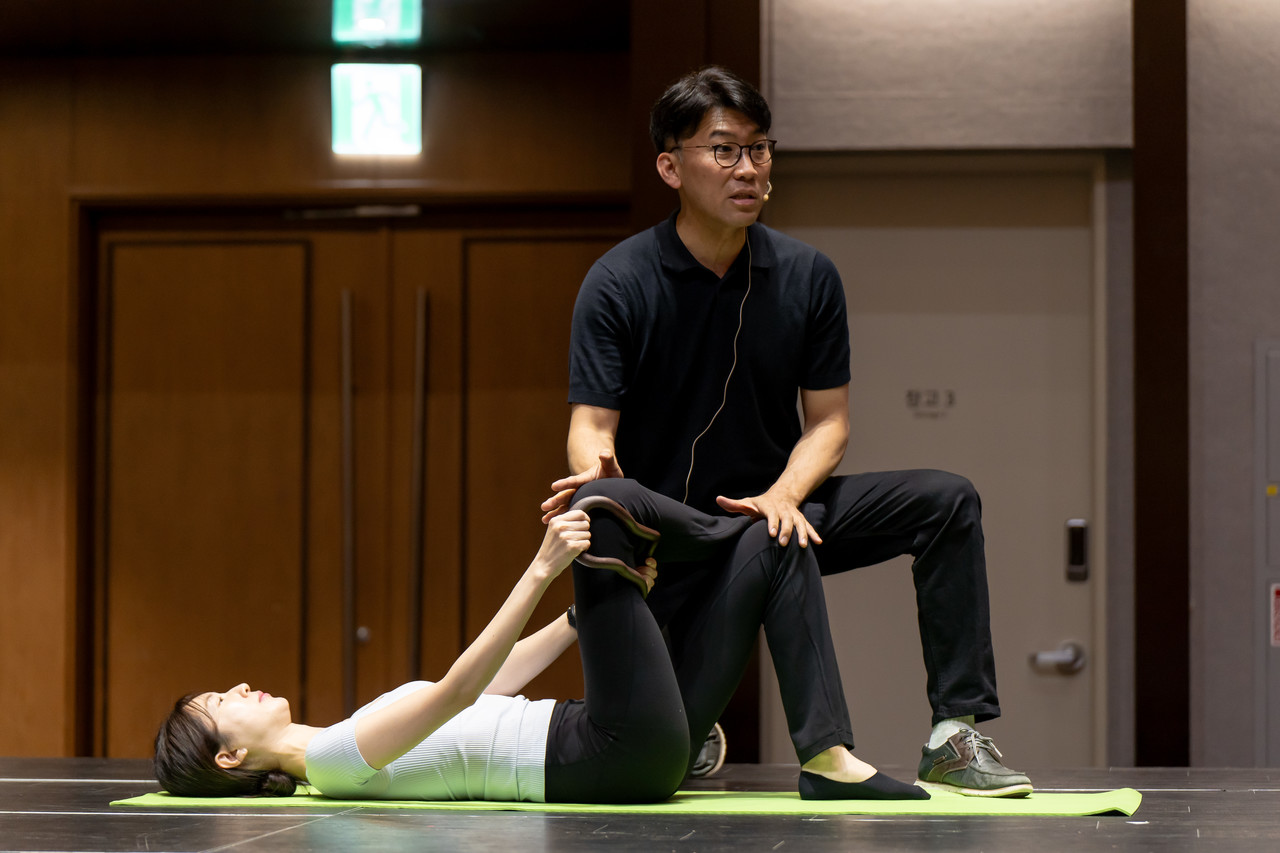
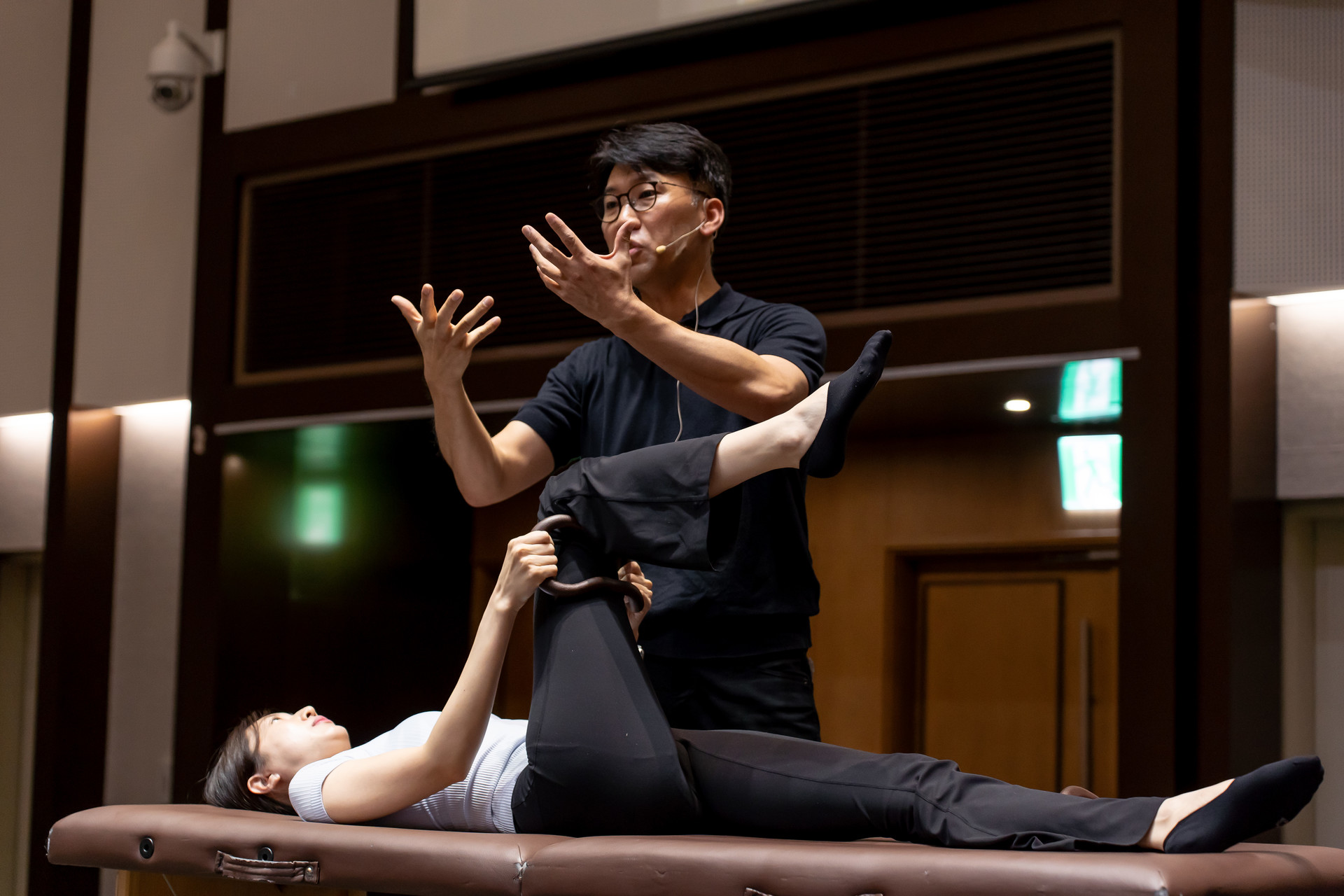
평가에서 발견된 제한에 맞춰 릴리즈, 스트레칭, 모빌리티, 근활성화 등을 적용하여 관절 기능과 움직임을 회복시킵니다.
/ Self-Release & Manual Release / Stretching / Mobility & Control / Activation
● RE-TEST & APPLY
리커버링 적용 후 동일한 움직임을 다시 평가하여 즉각적인 변화를 확인하고 운동 프로그램에 연결합니다.
/ 변화 확인 / 움직임 재평가 / 운동 프로그램 연결 / 지속적인 관리
ASSESS → IDENTIFY → RECOVERING → RE-TEST → BETTER MOVEMENT
평가를 통해 현재의 움직임을 정확히 이해하고, 제한된 기능을 회복시켜 더 나은 움직임으로 연결되는 과정입니다.
어깨, 고관절, 발목은 서로 독립된 관절이 아니라 하나의 움직임 사슬(Kinetic Chain)로 연결되어 있습니다. 본 강의에서는 각 관절을 개별적으로 평가하고 리커버링하는 것뿐만 아니라, 전체적인 움직임의 흐름 속에서 기능을 통합적으로 회복시키는 방법까지 경험할 수 있습니다.
이런 분들에게 추천합니다
✓ 회원의 움직임 제한을 정확히 평가하고 개선하고 싶은 피트니스 지도자
✓ 운동 전·후 리커버링 프로그램을 체계적으로 구성하고 싶은 강사
✓ 재활·교정운동·필라테스·요가 등 다양한 분야에 리커버링 메소드를 적용하고 싶은 전문가
✓ 움직임 평가와 리커버링을 통해 회원의 운동 효과를 높이고 싶은 지도자
✓ 현장에서 바로 활용할 수 있는 평가 → 리커버링 → 재평가 방법을 배우고 싶은 강사
평가가 변화를 만든다. 움직임이 회복되면, 더 나은 퍼포먼스가 시작된다.
어깨·고관절·발목의 움직임을 평가하고 회복시키는 리커버링 메소드를 통해 건강하고 자유로운 움직임의 가치를 경험해 보세요.
Movement Assessment-Based Recovering Method for the Shoulder, Hip & Ankle
The quality of movement is the foundation of both performance and health.
This course is a practical training program designed to systematically assess the joint function of the shoulders, hips, and ankles, identify the causes of movement restrictions, and apply a variety of recovery methods to restore functional movement.
Going beyond simple stretching or foam rolling, this course helps participants understand individual movement patterns through assessment, design effective recovery strategies, and apply practical solutions immediately in real training environments.
Assess the basic movement of the shoulders, hips, and ankles to identify joint range of motion, movement quality, and left-right differences.
Based on the assessment results, analyze the causes of movement restrictions and identify muscle tension, joint mobility limitations, and compensatory movement patterns.
Apply appropriate techniques based on the limitations identified during assessment, including release techniques, stretching, mobility work, and muscle activation to restore joint function and movement quality.
After applying the recovery methods, reassess the same movements to confirm immediate changes and connect the results to an appropriate exercise program.
ASSESS → IDENTIFY → RECOVER → RE-TEST → BETTER MOVEMENT
This process allows you to accurately understand current movement through assessment, restore restricted function, and ultimately create better movement.
The shoulders, hips, and ankles do not function as isolated joints. They are connected through the body’s kinetic chain.
In this course, participants will not only learn how to assess and recover each joint individually, but also how to restore and integrate function within the overall flow of movement.
✓ Fitness professionals who want to accurately assess and improve their clients’ movement restrictions
✓ Instructors who want to systematically structure pre- and post-workout recovery programs
✓ Professionals in rehabilitation, corrective exercise, Pilates, yoga, and related fields who want to apply recovery methods to their practice
✓ Trainers who want to improve exercise outcomes through movement assessment and recovery strategies
✓ Instructors who want practical methods they can immediately apply in the field using the process of Assessment → Recovery → Reassessment
Assessment creates change. When movement is restored, better performance begins.
Experience the value of healthy, unrestricted movement through practical recovery methods designed to assess and restore the function of the shoulders, hips, and ankles.